
Pipelines and cables on the seabed have become a front line. To protect them, navies need to see what happens down there. Research vessels have done that work for years.
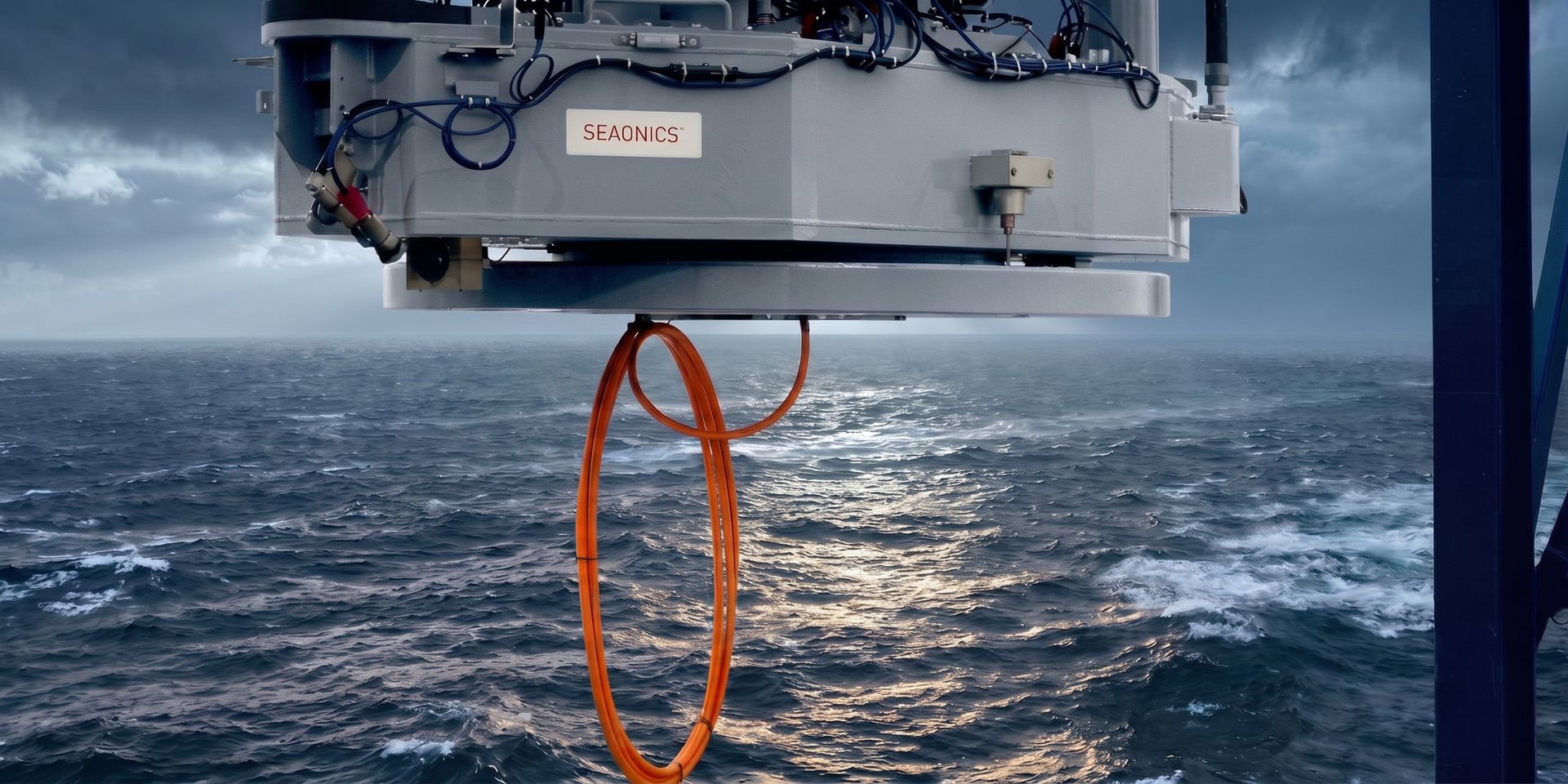
Since the Nord Stream pipelines were damaged in the Baltic Sea in September 2022, several cables and pipelines in the region have been hit. NATO has stepped up its watch on the seabed.
Seeing the seabed means putting sensors, ROVs and autonomous vehicles in the water. And getting them safely back on board.
"A lot of seabed defense is decided at the surface. If you can't get your equipment safely into the water and back, the job doesn't get done."
Anders Bjørdal, Sales Manager for Navy & Coast Guard at Seaonics.
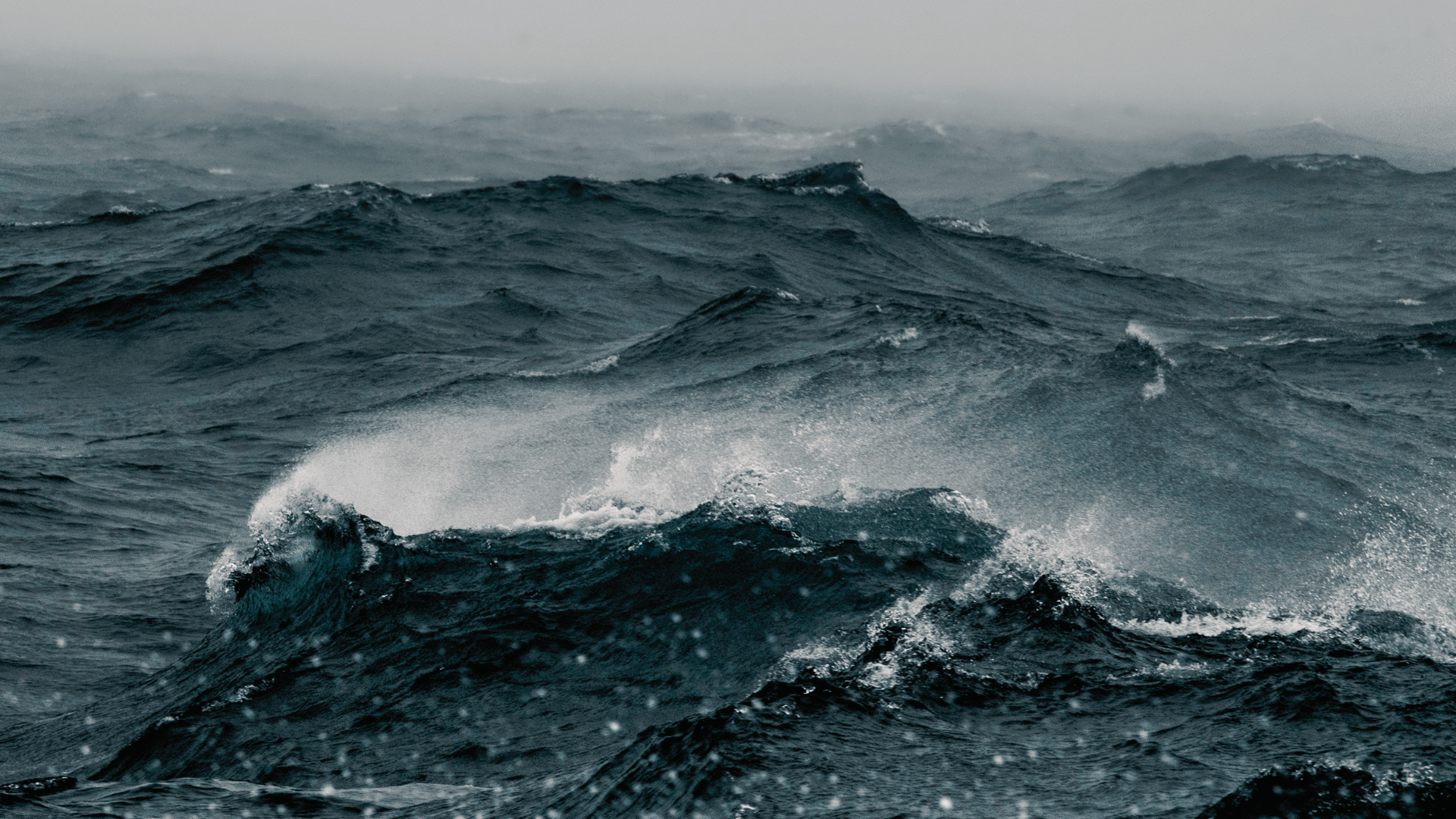
The most exposed phase is the trip down. Waves and vessel motion pull at the equipment the moment it leaves the deck. Our launch and recovery systems (LARS) with active heave compensation keep the vehicle steady and the umbilical under control. Operations go ahead when the weather would otherwise stop them.
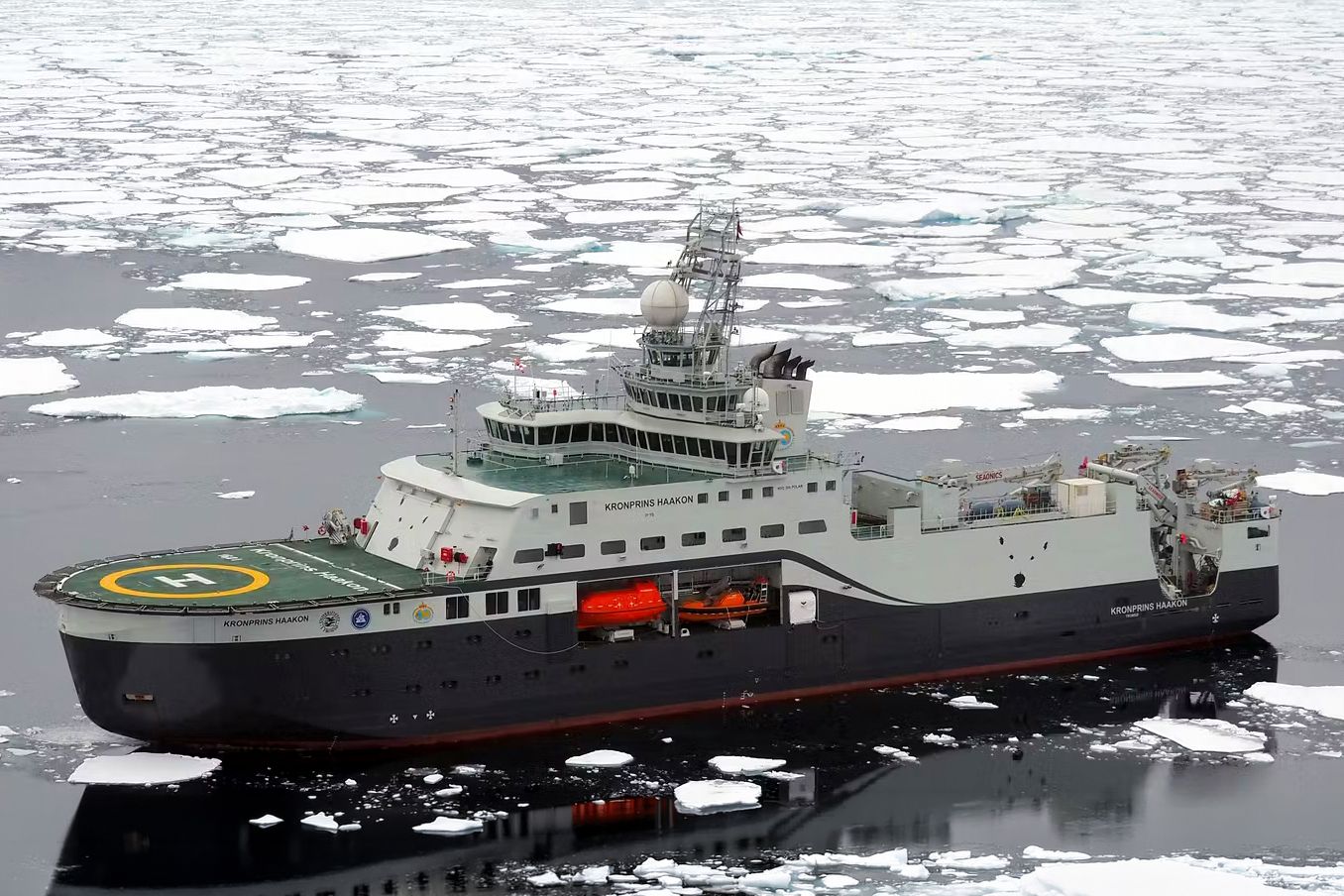
We delivered the complete handling package for the icebreaking research vessel Kronprins Haakon, which works year-round in Arctic ice. Next up are Inkfish’s RV6000 and Infkish’s RV11000, with a LARS for 6,000-meter-class ROVs, and the German research vessel Walther Herwig in 2027.
"Mapping the seabed for science and inspecting a pipeline for damage is the same job on deck. Equipment that does one well is ready for the other."

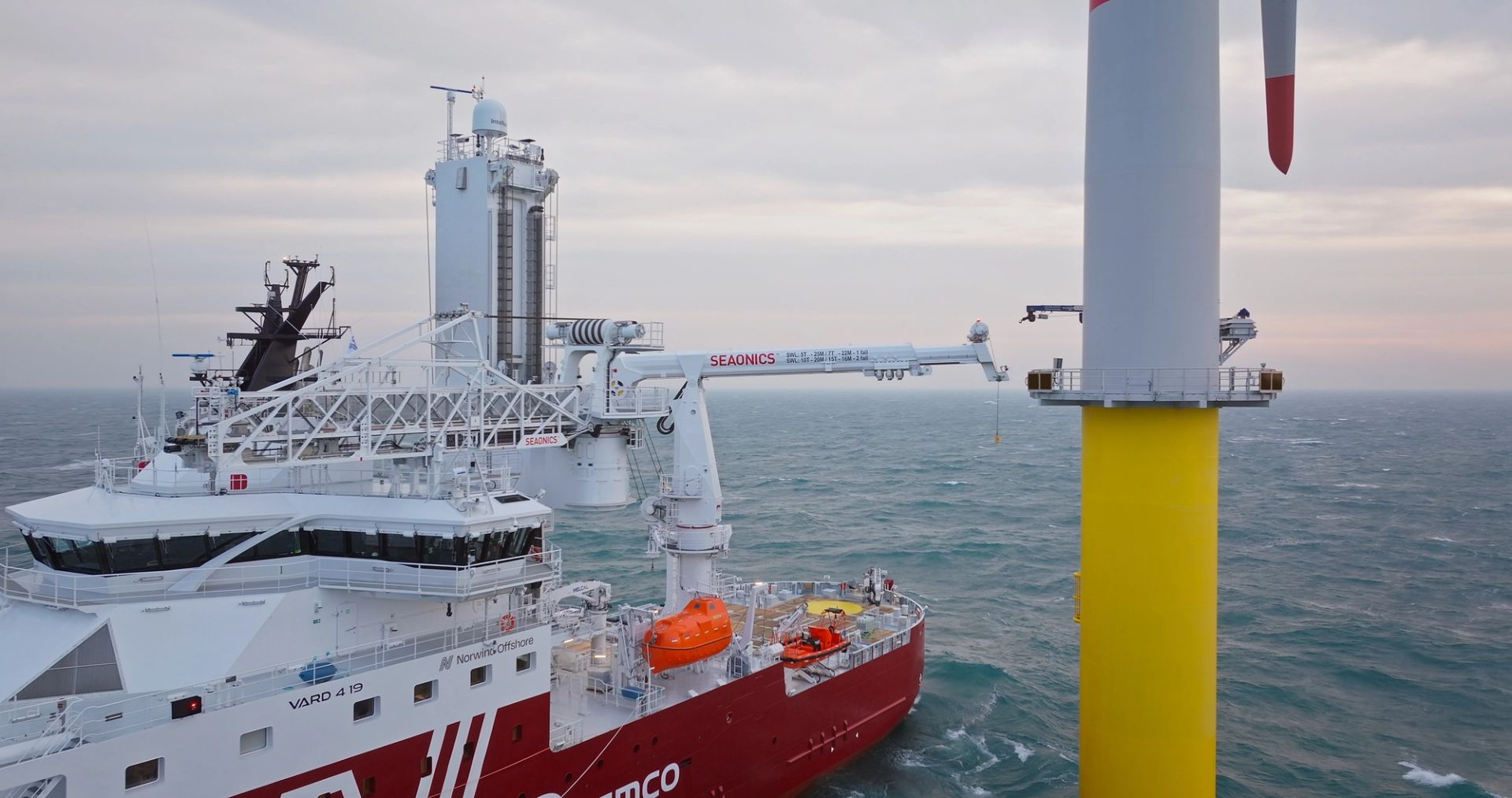
Earlier this year, we delivered our flagship ECMC Gangway 30M and ECMC C25 Crane to Norwind Maestro. Watch the duo in action.

Naval and coast guard fleets are shifting towards multi-role platforms – and according to Anders Bjørdal, this changes everything for deck operations.
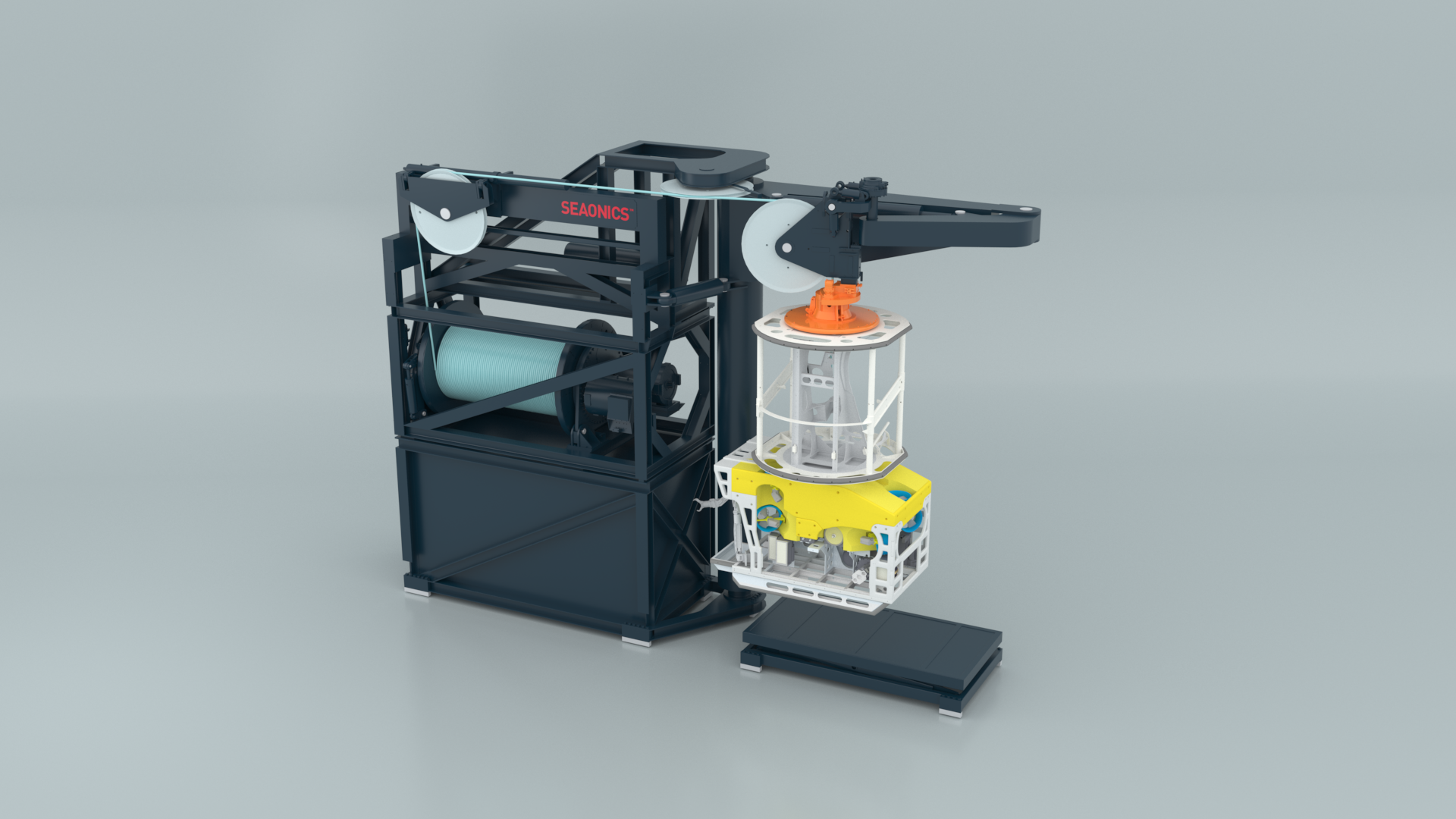
With the Swing Out LARS, we are adding a new innovative solution complementing our existing portfolio, giving operators more ways to adapt ROV handling systems to their specific needs.