
Naval and coast guard fleets are shifting towards multi-role platforms. Anders Bjørdal, Sales Manager for Navy & Coast Guard at Seaonics, explains why this changes everything for deck operations.

Modern naval and coast guard operations are in the middle of a fundamental transition. Where fleets were once built around many specialised vessels and specific tasks, the trend is now towards more flexible platforms. A single vessel may need to function both as a minesweeper and conduct seabed surveillance.
This shift promises greater flexibility, better resource utilisation, and the ability to respond to a broader threat landscape. But it also raises a question that has not been discussed enough: what happens operationally when platform-level flexibility meets reality on deck?
"When a vessel's role can change, the deck becomes the operational nexus, not just a support function. This demands smarter handling systems built for extremes and designed to work across diverse scenarios."
Anders Bjørdal, Sales Manager for Navy & Coast Guard at Seaonics.
Seaonics has delivered handling systems for demanding offshore operations for decades, from oil & gas and research & exploration to offshore wind. These are technically challenging environments where reliability and uptime are non-negotiable. Now, that proven technology is being adapted for naval and coast guard applications.
A key example is our delivery to Norway's Jan Mayen-class coast guard vessels. We supplied towing winches, telescopic boom cranes, anchor winches, and mooring systems for KV Jan Mayen, KV Bjørnøya, and KV Hopen. These vessels operate in some of the world's toughest waters, including Arctic conditions with significant wave heights up to 15 metres.

Multi-role vessels need equipment that is compact, adaptable, and with low maintenance. The Seaonics core characteristics are modularity and the use of components that allows for flexibility in various operations.
As a pioneer in electrified and modern lifting and handling technology, Seaonics offers modular and compact solutions:
"On a vessel that needs to do many things well, modularity and compact modules makes a real difference."
Bjørdal.
The systems are also designed with operator experience in mind. When crew members may not perform the same operation daily, equipment must be intuitive and function reliably across different mission profiles.


The transition to multi-role platforms requires a different way of thinking about deck systems. Equipment cannot be viewed as standalone machines. It must be understood as part of an integrated operational system, closely linked to the vessel's roles, crew, and actual use.
Seaonics works closely with shipyards, designers, and end users from the earliest stages in the production. This collaboration is central to delivering solutions that perform when margins are small and consequences are large.
"Those who succeed will be the ones who recognise that flexibility creates new risks and opportunities and address them early. Especially where operations are most exposed: on deck. That requires close cooperation between designer, operator, and supplier."
Bjørdal.
About Anders Bjørdal
Anders Bjørdal is Sales Manager for Naval & Coast Guard at Seaonics. He is former Naval officer, with a background from both defence and the maritime supplier industry.
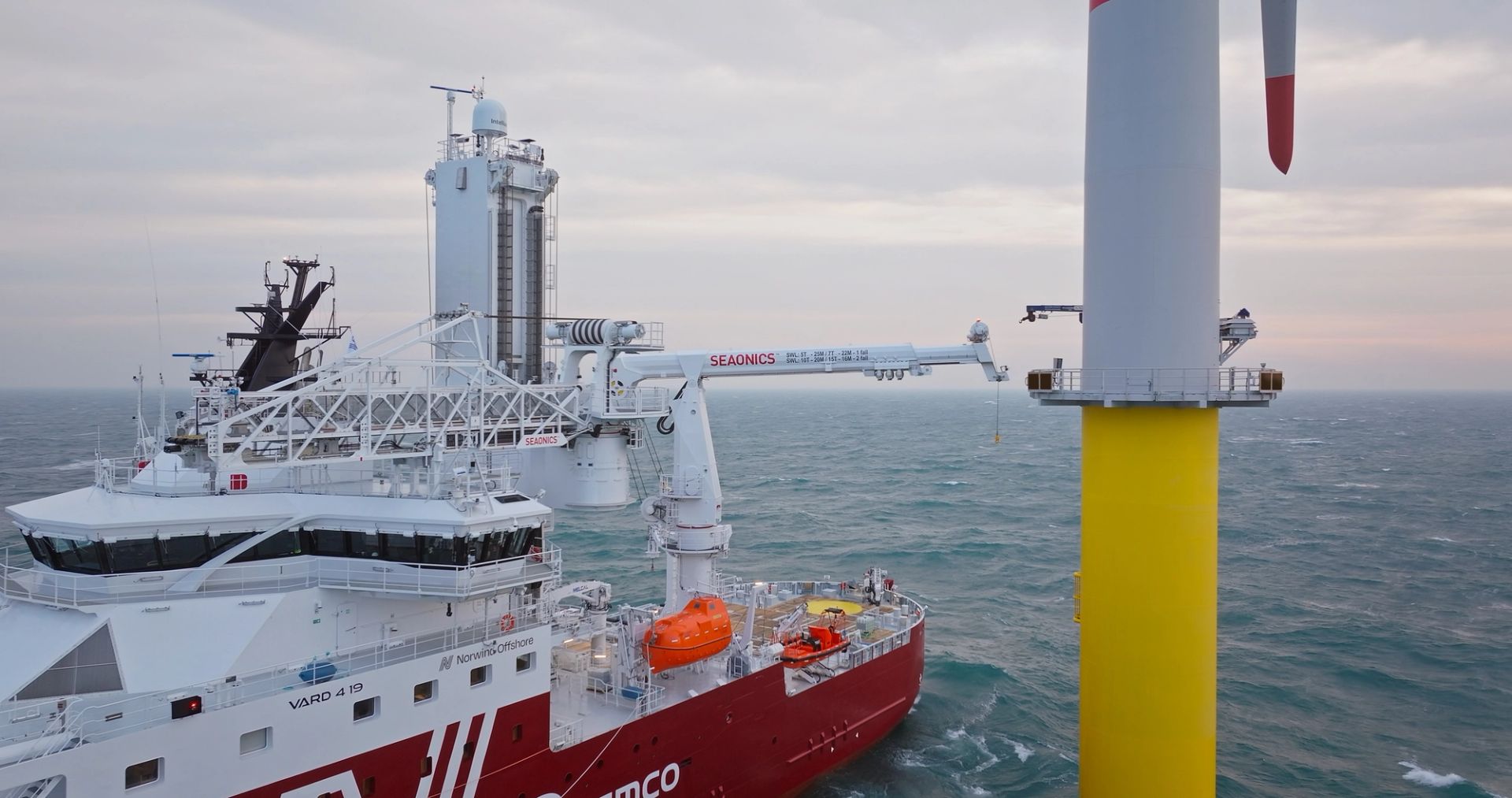
Earlier this year, we delivered our flagship ECMC Gangway 30M and ECMC C25 Crane to Norwind Maestro. Watch the duo in action.
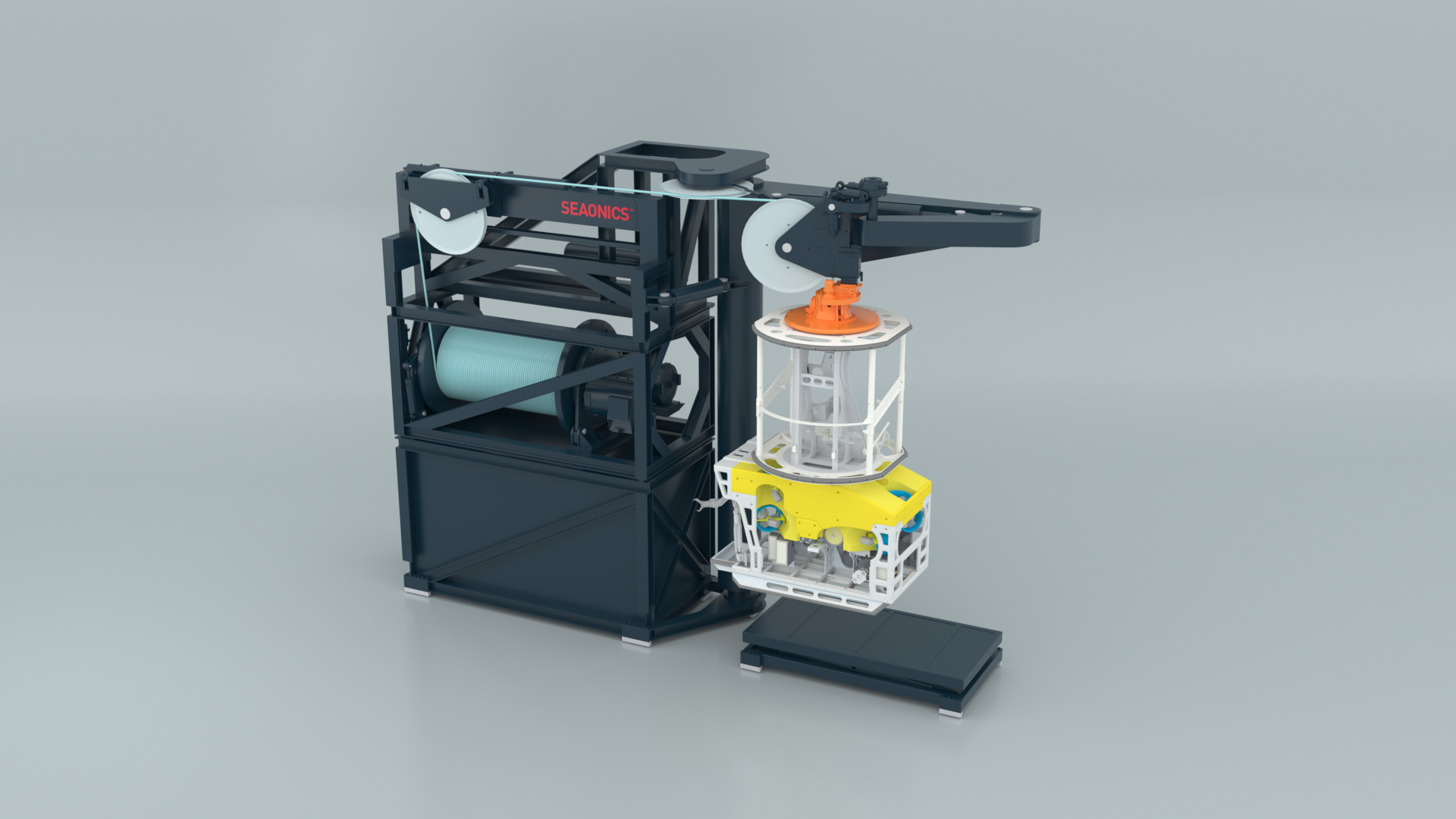
With the Swing Out LARS, we are adding a new innovative solution complementing our existing portfolio, giving operators more ways to adapt ROV handling systems to their specific needs.

It’s electrifying in the offshore energy markets these days. Our fully electric ECMC gangway is currently operating in wind parks, with several more to come.